Start with the work
Map the trigger, inputs, decisions, actions, exceptions, systems, and owner before choosing a model or agent framework.
Custom AI agent development
We engineer AI agents around your workflows, tools, rules, and edge cases.
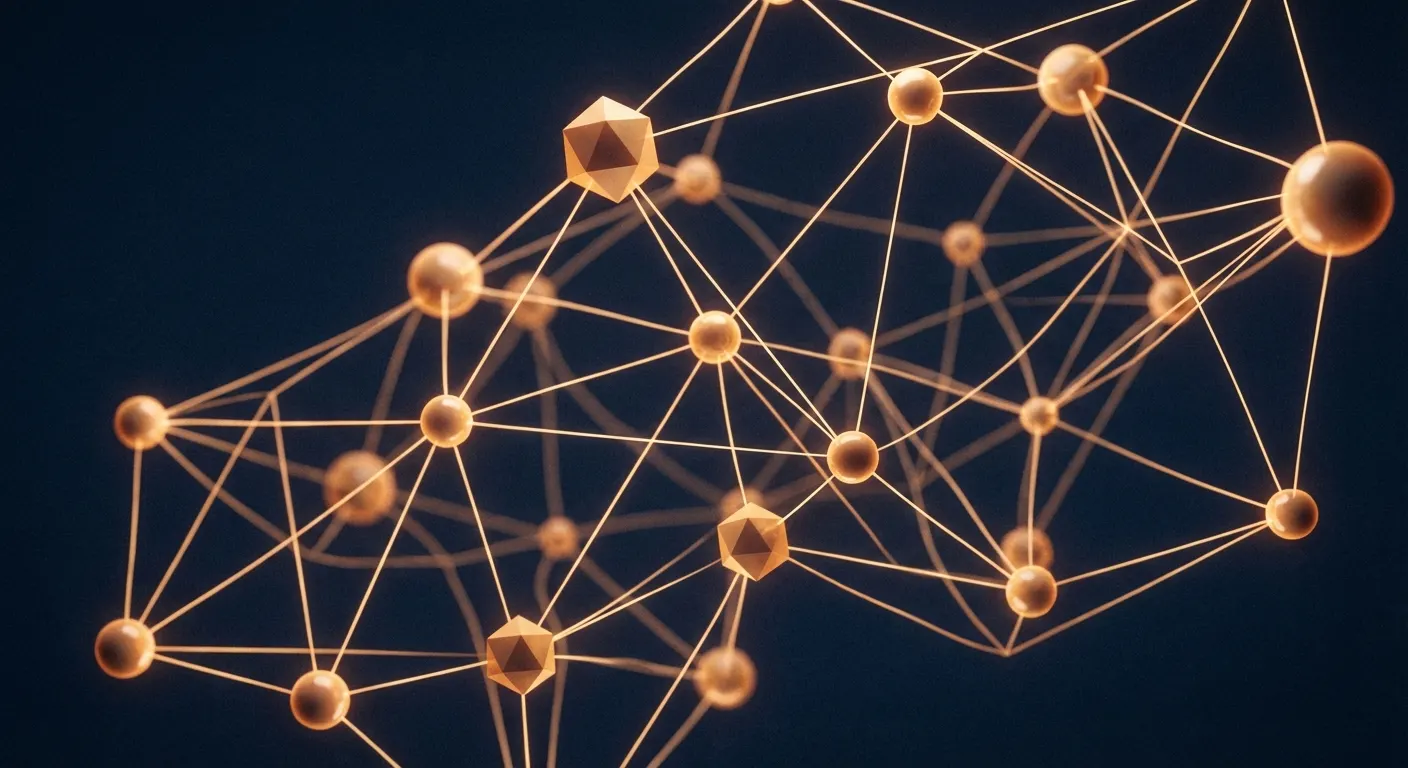
Interpretation inside a controlled workflow, with tools, state, evidence, and human authority.
The thesis
Useful agents are engineered as operational systems. The model interprets. Software controls. People retain authority where consequences demand it.
Map the trigger, inputs, decisions, actions, exceptions, systems, and owner before choosing a model or agent framework.
Separate deterministic automation, model assisted judgment, and human decisions. Give each layer only the authority it needs.
Evaluate representative cases, shadow live work, release a bounded segment, and expand only when real outcomes support it.
Services
Enter at the point your team is stuck: deciding, designing, automating, implementing, or proving the system is safe enough to use.
For teams whose work crosses tools, rules, exceptions, and human decisions.
Explore service ↗02For teams deciding where agents belong, what to build, and how to govern them.
Explore service ↗03For processes trapped between inboxes, documents, systems, and manual handoffs.
Explore service ↗04For teams moving from a promising prototype to a dependable operating system.
Explore service ↗05For teams that need to know what an agent gets right, where it fails, and who takes over.
Explore service ↗System patterns
These are reference patterns, not disguised case studies. Each shows how interpretation, software control, and human ownership fit together.
A reusable pattern, not a claimed client case study.
Inspect pattern ↗02Designed for evidence, change detection, and reviewable synthesis.
Inspect pattern ↗03For multi-step work that fails in handoffs, waiting states, and exceptions.
Inspect pattern ↗Method
Discovery identifies the real operating contract. A narrow prototype tests the hardest assumption. Production engineering adds state, integration, permissions, evaluation, recovery, and ownership.
The right first agent is not the flashiest one. It is the one that can prove value safely.
We use stage gates instead of pretending every unknown can be priced or scheduled on day one. Each stage produces evidence the team can review before the system receives more investment or authority.
That approach also makes stopping a valid result. If a standard product fits, the data cannot support the decision, or the operation lacks an owner, building an agent would be expensive cosplay.
Read the implementation approachBuyer resources
Practical guides for scoping cost, choosing build or buy, and sequencing implementation.
The model bill is usually the easy part. Integration, evaluation, control, and operating ownership decide whether an agent becomes useful software.
Read guide ↗02Buy the commodity layer. Build the part where your workflow, data, controls, or customer experience is genuinely different.
Read guide ↗03Start narrow, test the real decision, and make the system earn authority one stage at a time.
Read guide ↗FAQ
Specific answers beat vague reassurance. If your question depends on the workflow, we will say so.
We design and implement custom AI agents for operational workflows. The work can include discovery, architecture, integration, workflow automation, evaluation, guardrails, deployment, monitoring, and iteration.
Strong candidates are repeated, involve interpretation or variable inputs, cross defined systems, have a measurable outcome, and can begin with bounded authority. The operation also needs a named owner and an escalation path.
We build the level of autonomy the workflow can justify. Consequential actions often keep human approval, while low risk preparation and routing can be automated. Authority expands through evidence, not ambition.
Yes. A consulting engagement can define and rank use cases, test feasibility, specify the target architecture and controls, and produce an implementation roadmap that another team can execute.
Start with the workflow
We will map the work, identify the right automation boundary, and tell you plainly whether an agent belongs there.
Discuss the workflow